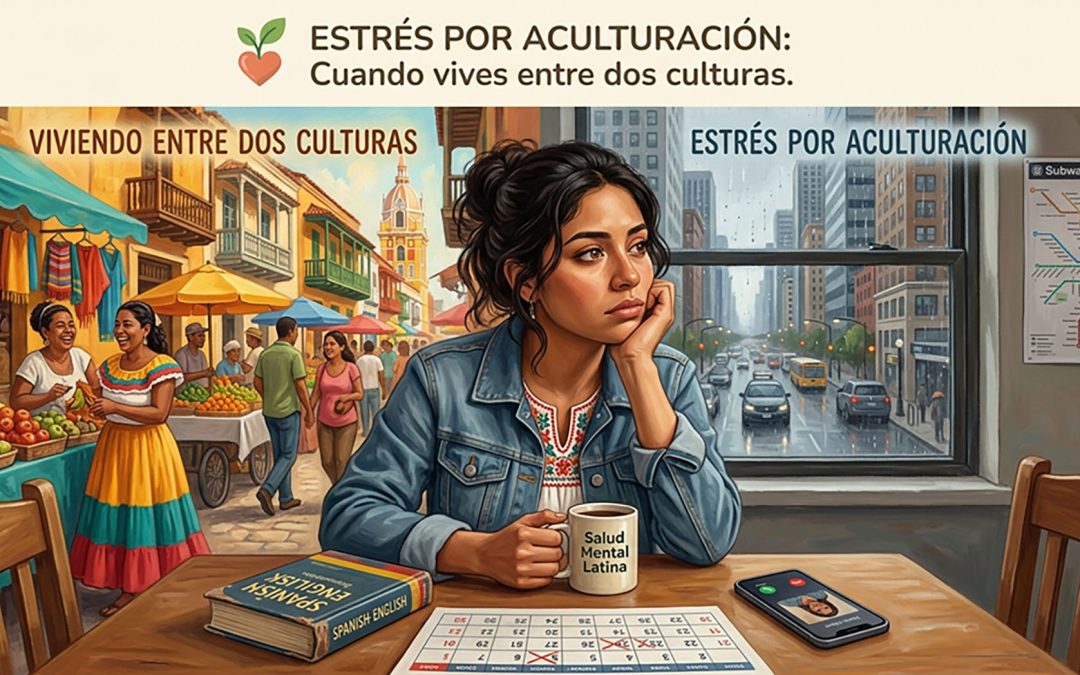
Acculturation is the process of adapting to a new culture while trying to keep your own values, language, and identity. For many Latino families in California, this can be both enriching and stressful. Parents may want to preserve traditions, while children grow up adapting quickly to American culture, school systems, and social norms.
This can create tension at home. Parents may feel their children are becoming “too American.” Young people may feel misunderstood or pressured to choose between being Latino and being accepted. Adults may feel torn between speaking Spanish at home and using English at work. Over time, this tension can lead to guilt, frustration, sadness, or family conflict.
Signs of acculturation stress can include:
- Feeling like you do not fully belong in either culture.
- Arguments about language, values, or behavior.
- Guilt about changing or “leaving behind” family traditions.
- Pressure to hide parts of your identity.
- Confusion about who you are.
- Feeling disconnected from parents, children, or community.
Acculturation stress is not a sign that something is wrong with the family. It often means the family is trying to adapt under pressure. Many bicultural families experience both pride and pain as they balance two worlds.
What can help?
- Talk openly about differences without judgment.
- Honor both cultural identities.
- Teach children the value of Spanish, English, and family history.
- Create family rituals that keep traditions alive.
- Recognize that adaptation takes time.
- Seek support if conflict is affecting emotional health.
Bicultural identity can be a strength. People who learn to move between cultures often develop empathy, flexibility, and resilience. The goal is not to erase one culture for another, but to build a life that honors both.
Reflection question: What parts of your culture do you want to protect, and what parts are you learning to blend?
Javier Nunton, MSW