
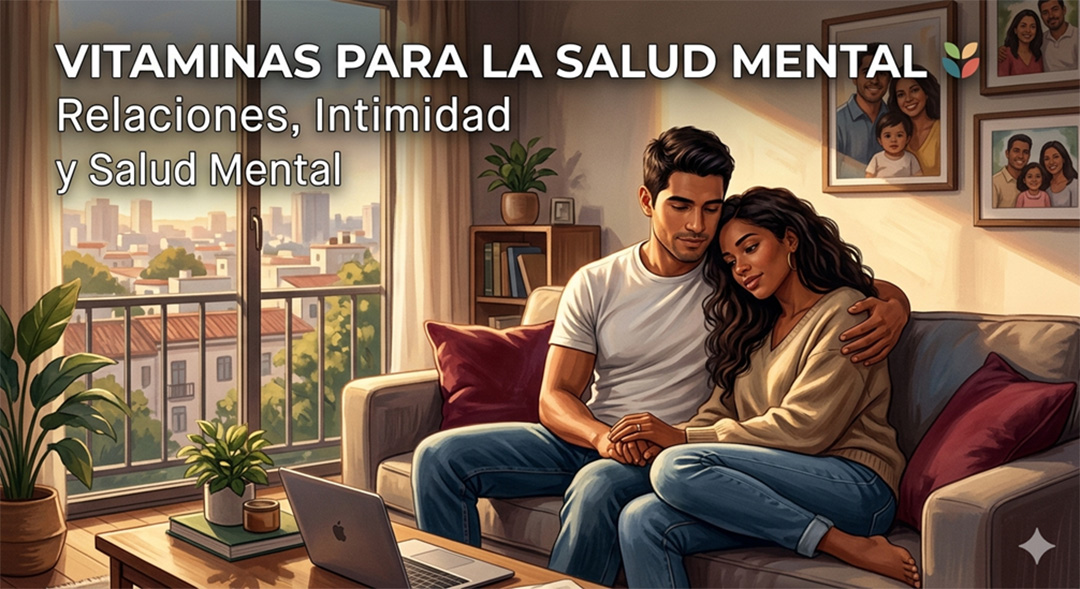
Relationships can be a source of comfort, but they can also become a source of stress. In Latino families, relationship struggles are sometimes kept private because people do not want shame, gossip, or conflict. But emotional health and relationship health are deeply connected. When communication breaks down, people may feel lonely, misunderstood, rejected, or trapped.
Healthy relationships are built on respect, honesty, trust, and shared responsibility. When these are missing, stress can build over time. People may argue often, stop communicating, or stay silent to avoid conflict. Some may feel pressure to stay in a relationship for the family, for the children, or because they fear being alone.
Common signs of relationship stress include:
- Frequent arguments or silent treatment.
- Jealousy, control, or disrespect.
- Feeling unsafe emotionally or physically.
- Loss of intimacy.
- Poor communication about needs and feelings.
- Feeling alone even when you are with someone.
Sexual health is part of mental health too. Shame, trauma, stress, and cultural silence can make it hard to talk about sex, boundaries, consent, desire, or changes in intimacy. Some people feel disconnected from their bodies. Others may avoid the topic completely, even when they are struggling in their relationship.
What can help?
- Practice calm and honest communication.
- Set clear boundaries.
- Talk about consent and respect.
- Seek counseling if conflict is repeating or worsening.
- Address trauma or depression that may be affecting intimacy.
- Remember that healthy sex and healthy relationships require trust and safety.
A healthy relationship does not mean never having conflict. It means being able to repair, listen, and grow together. Emotional safety is just as important as physical closeness.
Reflection question: In your relationships, what helps you feel respected, heard, and emotionally safe?
Javier Nunton, MSW