
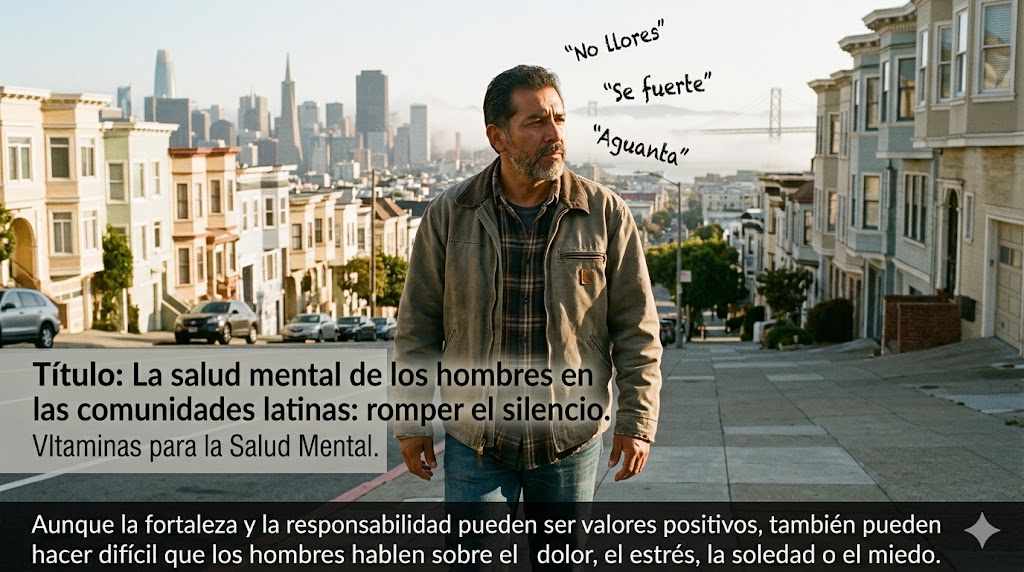
Many Latino men are taught to be strong, work hard, and not show emotion. From a young age, boys may hear messages like “no llores,” “sé hombre,” or “aguanta.” While strength and responsibility can be positive values, they can also make it hard for men to talk about pain, stress, loneliness, or fear.
Men’s mental health matters because silence can lead to suffering. Some men do not recognize depression or anxiety because they express stress through anger, irritability, exhaustion, substance use, or physical pain. Others may stay busy with work and family duties while ignoring emotional needs. Over time, untreated stress can affect health, relationships, parenting, and self-esteem.
Common signs of mental health struggles in men can include:
- Anger or frustration that feels hard to control.
- Drinking or using substances to cope.
- Staying emotionally distant.
- Trouble sleeping.
- Headaches, stomach issues, or body tension.
- Feeling empty, hopeless, or burned out.
- Working constantly to avoid feelings.
Cultural expectations, immigration stress, financial pressure, and the responsibility to provide can add even more weight. Many men worry that asking for help will make them seem weak. In reality, getting help takes courage and can protect both the person and the family.
Healthy masculinity includes emotional honesty, self-respect, and care for others without self-neglect. Men do not have to carry everything alone. Talking to a trusted friend, pastor, counselor, or doctor can be an important first step.
Reflection question: What would it look like for Latino men to define a healthier strength in present times?
Javier Nunton, MSW