Older adults in Latino communities often carry a lifetime of responsibility, sacrifice, and resilience. Many have worked hard for their families, survived hardship, and held the emotional center of the household. Even so, aging can bring new mental health risks that are easy to overlook.
Older adults may face loneliness, grief, chronic illness, pain, memory changes, retirement stress, or the loss of friends and spouses. Some also feel sadness when they become less independent or when family roles shift. For immigrants and elders who lived through discrimination, war, poverty, or family separation, past stress can resurface later in life.
Mental health symptoms in older adults are sometimes mistaken for “just aging.” But depression, anxiety, and trauma can affect elders too. Signs may include:
- Social withdrawal.
- Loss of interest in church, family, or hobbies.
- Changes in sleep or appetite.
- Irritability or sadness.
- Memory problems that are related to stress or depression.
- Physical complaints such as pain, fatigue, or headaches.
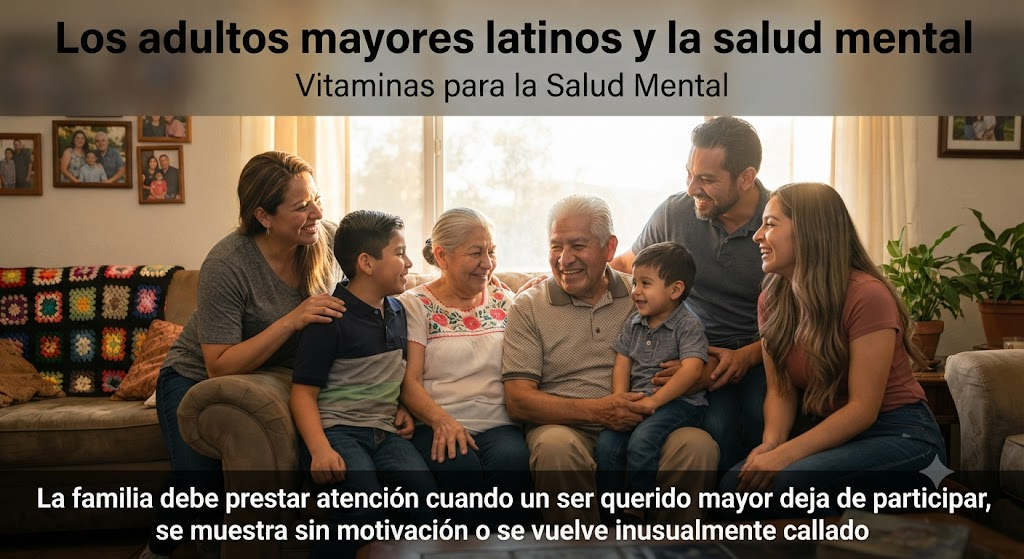
Elders may not always say they are depressed. They may describe tiredness, body pain, or a sense of being “done.” Family members should pay attention when an older loved one stops participating, seems hopeless, or becomes unusually quiet.
Good care includes more than medical appointments. Elders need respect, companionship, routines, movement, meaningful connection, and chances to share their stories. Small acts, like regular phone calls, shared meals, walks, and listening without rushing, can make a big difference.
At The Latina Center, you can find that connection to our culture and participate in activities where you can share your stories through hand-knitting and special celebrations, with music and meaningful connections that are created week after week, every Friday starting at 3 pm. For more information, call us at: (510) 233-8595.
Mental health care for Latino elders should honor dignity, culture, and family values. Aging should not mean suffering in silence. Our elders deserve care that recognizes both their strength and their pain.
Reflection question: How can your family better support the emotional well-being of the elders in your life?
Javier Nunton, MSW