
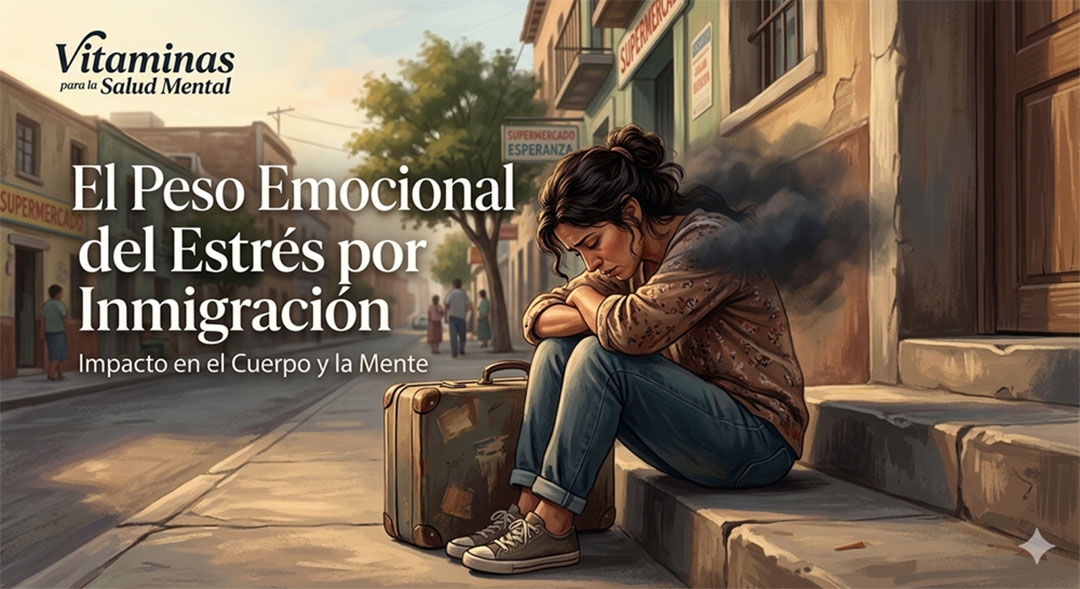
Immigration stress affects many Latino families in California. It can come from fear of separation, worries about documents, uncertainty about the future, language barriers, discrimination, and pressure to protect the family. Even when people are physically safe, constant fear can keep the body and mind in a state of stress.
Immigration stress does not affect only one person. Children may feel scared when parents are anxious. Couples may argue more. Older adults may feel isolated if they do not speak English or do not trust systems. Many families carry this stress silently because they are focused on survival and do not want to appear vulnerable.
Common signs of immigration stress include:
- Constant worry about being stopped, detained, or judged.
- Trouble sleeping or relaxing.
- Feeling tense, angry, or exhausted.
- Avoiding appointments, schools, or public places.
- Difficulty concentrating.
- Feeling hopeless about the future.
Over time, immigration stress can affect physical health, parenting, and work performance. It may also intensify depression, anxiety, and trauma symptoms. People may blame themselves for feeling this way, but these reactions are often a normal response to chronic uncertainty.
What can help?
- Create a family safety plan.
- Share trusted contacts and emergency numbers.
- Limit exposure to frightening news when needed.
- Practice grounding and breathing exercises.
- Connect with community support and legal information.
- Talk openly with children in age-appropriate ways.
Immigration stress is real, and it deserves compassion. Families are stronger when fear is named instead of hidden. Healing begins when people feel less alone and more supported.
Reflection question: What would safety feel like in your home, even when the outside world feels uncertain?
Javier Nunton, MSW